
Addressing the challenges facing democracy today
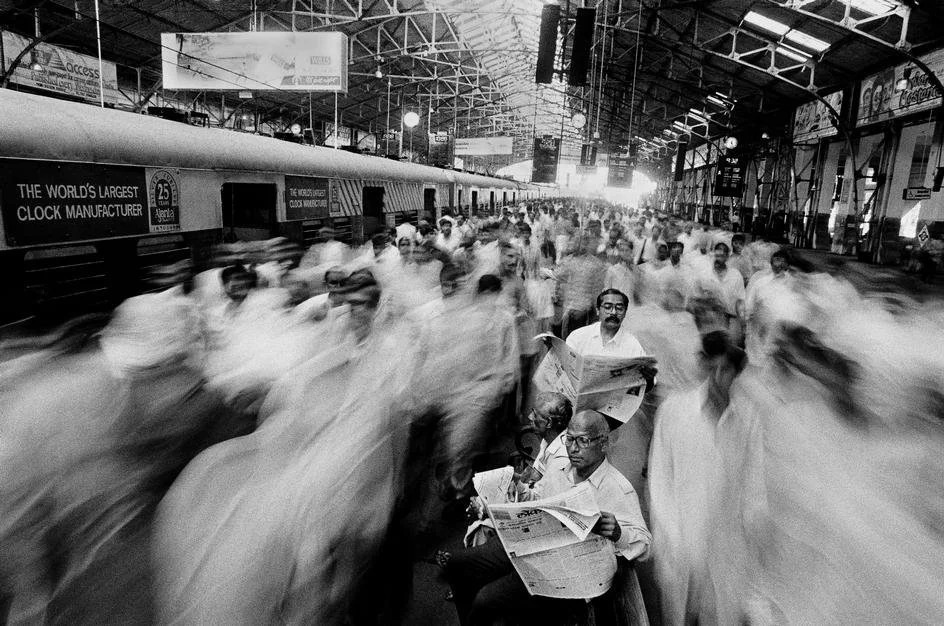
Raghu Rai. Local commuters at Church Gate railway station. Mumbai. 1995
Around the world, democracies confront serious challenges, old and new.
These range from enduring challenges, such as enhancing civic participation, political representation and democratic accountability, to confronting the ramifications of digital technologies, rising social inequalities and shifting power relations in the evolving international order. The Jarislowsky Democracy Chair pursues critical research and collaborative partnerships that advance public understanding and explore practical innovations to meet these imperatives.
Sign up to be the first to know about our upcoming events, lectures, and podcast episodes.

Learn how you can be on the frontlines of democracy.
What’s New
18 December 2025
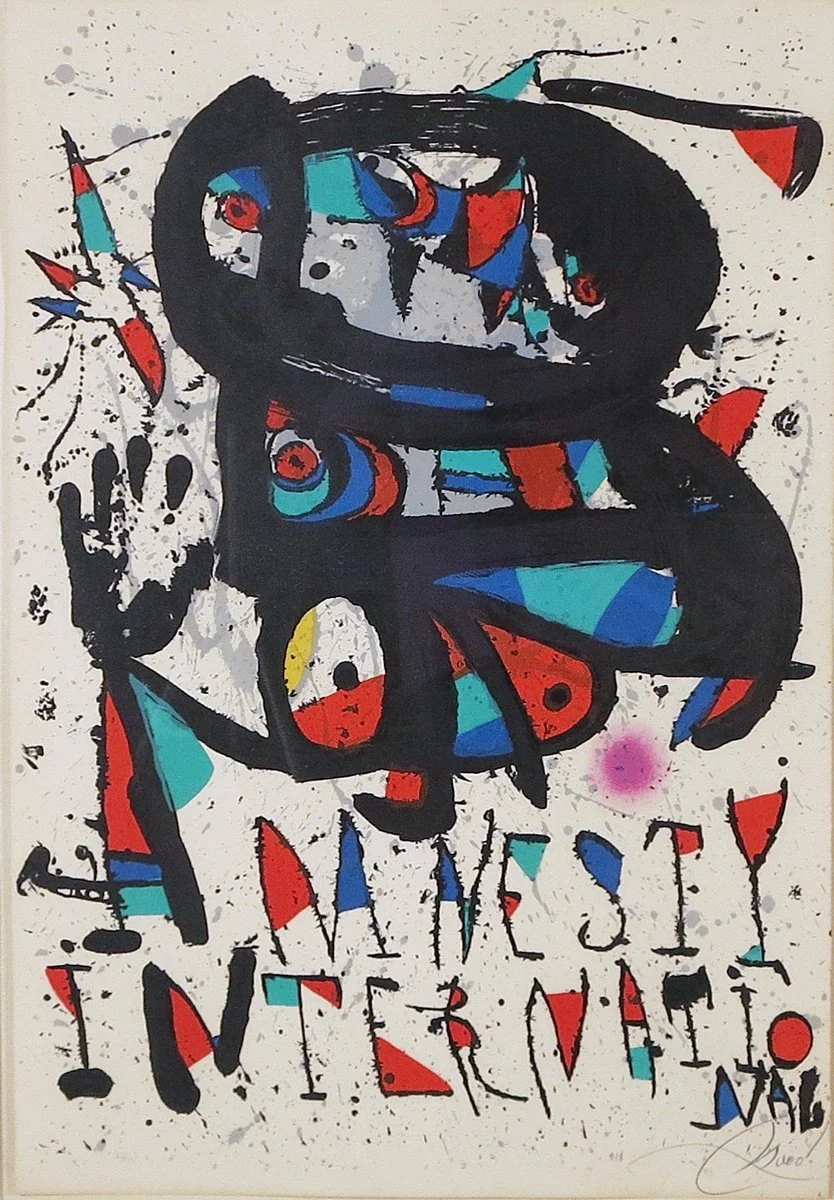
NEW PODCAST! The Fight for Global Human Rights with Ketty Nivyabandi
Host Sanjay Ruparelia speaks with Ketty Nivyabandi, Secretary General of Amnesty International Canada, about the global state of human rights amid rising authoritarianism, conflict, and democratic erosion. Their conversation examines the roots of today’s human rights crises and explores how international law, civil society, and citizen action are being tested by wars in Gaza and Sudan, growing gender-based repression, the rollback of migrant and refugee protections, and the escalating consequences of climate change. They also discuss the strategies human rights advocates use to confront power and mobilize accountability in an increasingly volatile world.
29 January 2026
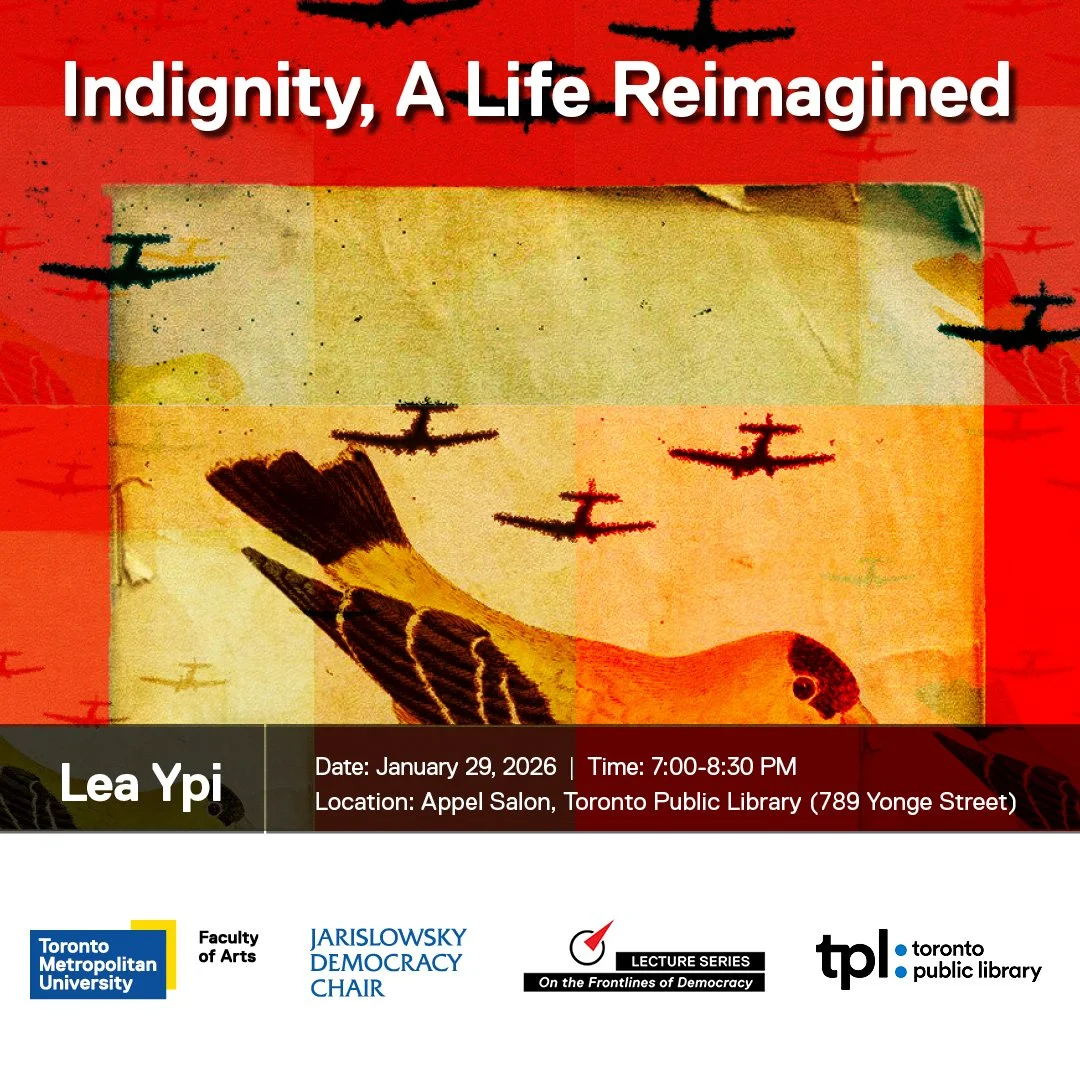
UPCOMING LECTURE! Indignity, A Life Reimagined with Lea Ypi
In her powerful new memoir Indignity: A Life Reimagined, Ypi traces her grandmother's extraordinary life through the seismic upheavals of 20th century Europe, from war and revolution to dictatorship and mass displacement. The book is set against Europe's most turbulent and tragic century. But war, political extremism, rising nationalism, and the mass movement of peoples are now also defining features of our own era, reshaping the European political landscape and challenging democratic institutions worldwide.
Drawing from her experience growing up in one of Europe's most isolated regimes and her work as one of the most influential voices in contemporary political philosophy, Ypi offers crucial insights into how political systems shape individual lives across generations, and what it means to sustain dignity and democratic values amid profound uncertainty.